Dec 3, 2025
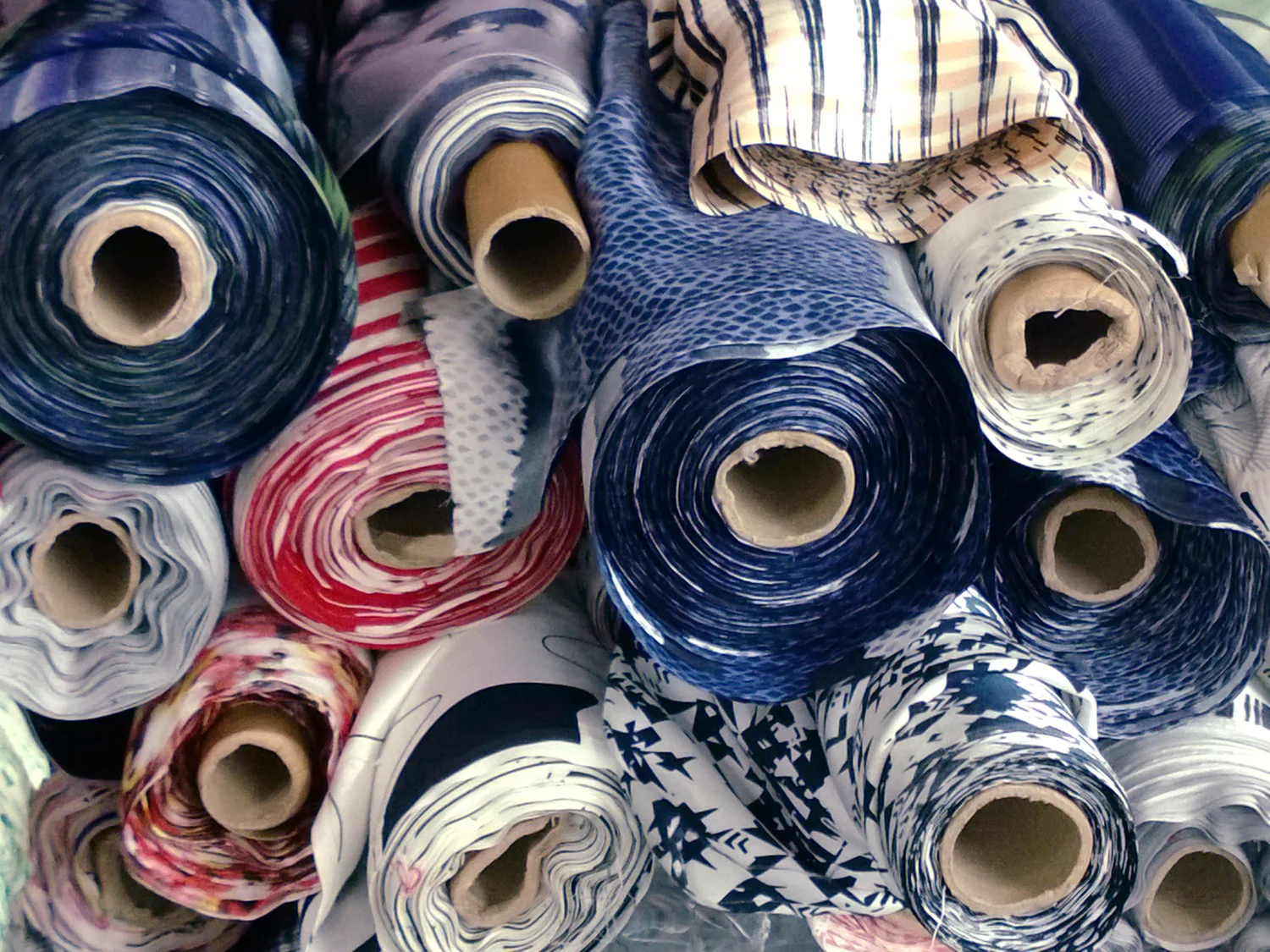
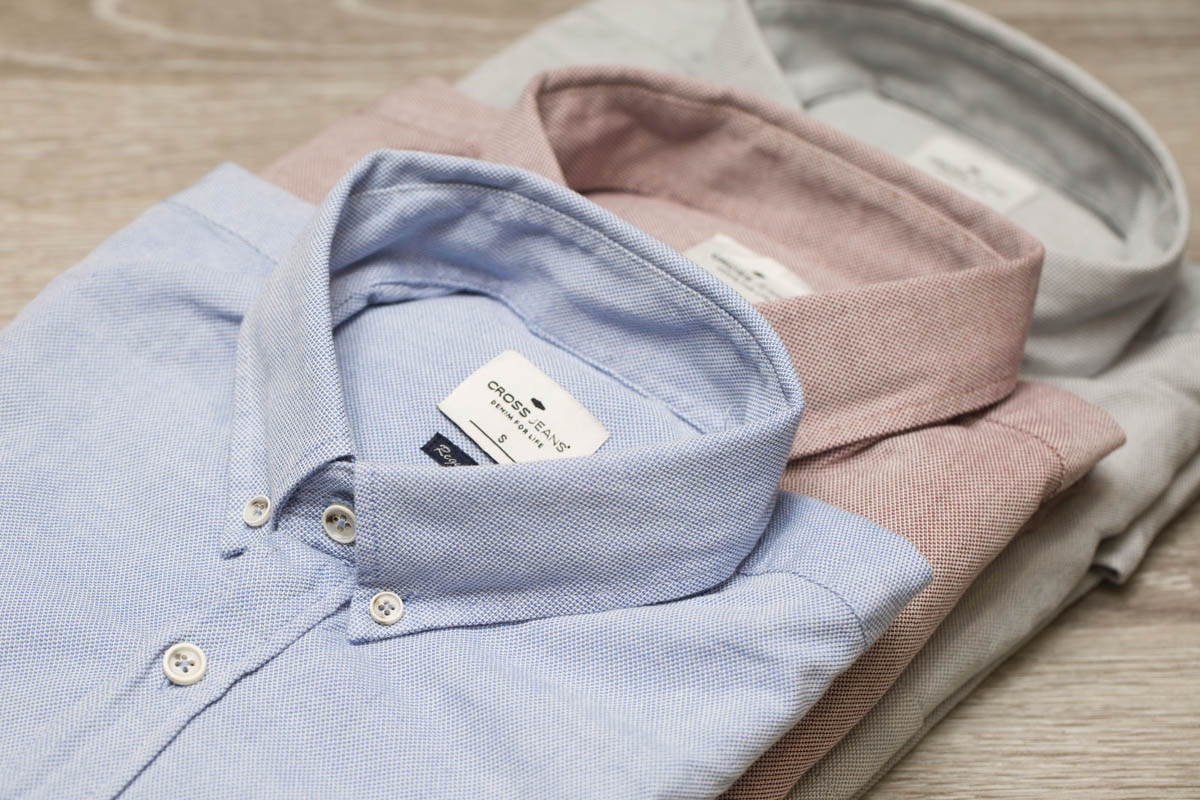
Stakeholders across Zimbabwe’s cotton-to-clothing value chain have asked the government to pause a proposed steep rise in customs duty on selected polyester staple fibres (PSF) and dyed woven cotton fabrics until an ongoing industry study is completed. The measure — announced in the 2026 National Budget — would raise some textile duty lines from 10% to 40% plus a US$2.50/kg surcharge, and is due to take effect on 1 January 2026. herald+1
What was proposed
Finance Minister Professor Mthuli Ncube, in the 2026 budget speech, proposed aligning customs duty on selected imported PSF and dyed cotton woven fabrics from the current 10% up to 40% (a 300% increase) plus an additional US$2.50 per kg — part of a package aimed at strengthening domestic production and the cotton-to-clothing value chain. The budget also proposes revising materials that qualify for the Clothing Manufacturers Rebate. herald+1
Stakeholder reactions
Zimbabwe Clothing Manufacturers Association (ZCMA) — chaired by Jeremy Youmans — has urged the government to defer implementation until the Competition and Tariff Commission (CTC) and the National Competitiveness Commission (NCC) complete their value-chain study. ZCMA argues the 40% duty should apply only to finished garments, not to fabric, which is an intermediate input. They warn the extra US$2.50/kg could push effective duty rates much higher (60–90% depending on fabric weight), hurting downstream producers. herald+1
Zimbabwe Textile Manufacturers Association (ZITMA) has welcomed the move but says the government must also tackle the persistent problem of second-hand clothing imports, which depress demand for local product. YNFX+1
Conclusion
The proposed duty hike aims to strengthen local fabric production and the cotton-to-clothing value chain, but it carries short-term risks for manufacturers who rely on fabric as a core input. With a CTC/NCC study already underway, the prudent move—supported by clothing manufacturers—is to delay implementation until the study’s findings are available and then adopt a calibrated, evidence-based approach: apply higher duties to finished garments (if needed), protect essential inputs via targeted rebates, and pair tariff changes with enforcement against cheap second-hand imports and investment support for local mills. This balanced route would protect jobs and domestic capacity while still encouraging value-chain development. herald+1