Nov 17, 2025
Why Merino wool demand is increasing
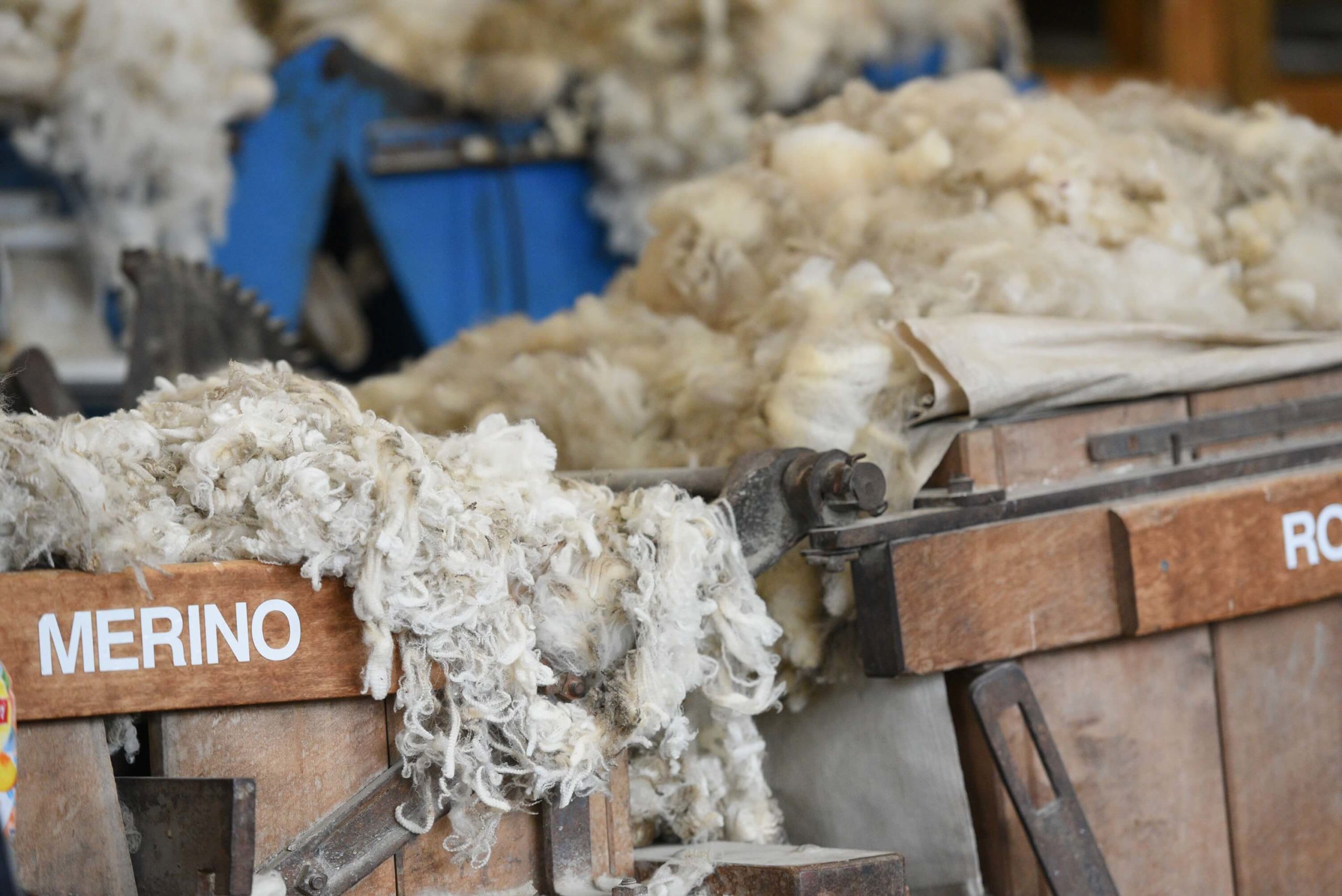
From runways and boutiques to trailheads and training studios, Merino wool has shifted from a niche luxury material to mainstream market favourite. Over the past month the Australian wool market recorded its strongest price rise in three decades — a clear market signal that consumer preference, not just supply-side pressure, is driving interest in Merino. The Eastern Market Indicator (EMI) climbed to levels not seen since mid-2022, reflecting renewed confidence across the supply chain and a demand-led rally.
Natural fibres are back in fashion
After decades of synthetic dominance—today about 70% of clothing fibres are synthetic—consumers are re-embracing natural fibres for their comfort, durability and environmental credentials. Merino ticks many boxes: it’s soft next-to-skin, naturally breathable, thermoregulating, biodegradable and recyclable. Designers and sustainable advocates are calling Merino part of the “fewer, better things” movement: buying less but buying quality that lasts.
Luxury and high-street designers alike have reintroduced wool across seasonal collections, while consumers show greater willingness to pay premiums for certified sustainable fibres. Wool’s high second-life value (wool garments are more likely to be donated and reused) strengthens its appeal to conscious buyers.
Performance, sport and year-round versatility
Merino’s technical qualities are central to its resurgence. Far from being only a winter fabric, modern Merino blends and constructions make it suitable for year-round activewear and wellness clothing. Recent consumer research highlights breathability, moisture management, comfort and durability as top drivers for sportswear purchases — areas where Merino performs strongly. Sports brands from both niche and global players have introduced Merino-rich collections, bringing the fibre into high-performance wardrobes and influencer content.
Academic and product testing supports these claims: studies have shown Merino base layers outperform many synthetic alternatives in thermal comfort and moisture buffering — a critical benefit for athletes and outdoor enthusiasts.
Sustainability that resonates with Gen Z and Millennials
Younger consumer cohorts are a major force behind reduced synthetic use. Gen Z and Millennials are consistently more likely to prioritise sustainability and traceability; they value materials that align with wellness and slow-fashion values. Merino’s renewable, biodegradable and recyclable attributes match those priorities. In addition, third-party certifications and transparent supply chains add perceived value and allow brands to command a price premium for certified Merino products.
Market momentum and industry collaboration
Industry groups and certification bodies are amplifying Merino’s profile through partnerships with designers, sports brands and wellness influencers. This broader storytelling — combining fashion, function and environmental responsibility — accelerates adoption across categories and channels. Online sales of premium wool products have shown substantial year-on-year growth, and market forecasts point to a continued expansion in wool’s global market value through the coming decade.
What this means for brands and consumers
For brands: investing in certified Merino can add value and differentiate product ranges across luxury, athleisure and lifestyle lines. For retailers: clear product storytelling (benefits, care instructions, and certification) reduces purchase friction and supports higher price points. For consumers: Merino offers a durable, comfortable, and eco-aligned alternative to fast fashion synthetics.
Conclusion
Merino wool’s revival is not a fleeting trend. It’s the result of an aligned set of forces — shifting consumer values, demonstrable performance advantages, influential brand adoption, and supportive industry narratives. As buyers seek garments that perform, last, and have a credible sustainability story, Merino answers those demands. Expect the fibre to grow across wardrobes and categories — from luxury to activewear — as the market prizes quality, functionality and responsibility over throwaway fashion.