Dec 23, 2025
Tiruppur Exporters Struggle as 50% US Tariffs Hit Orders Hard
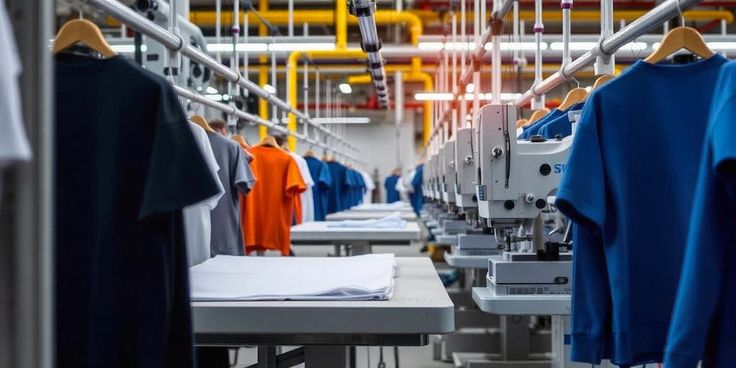
The textile hub of Tiruppur, India's knitwear capital, is facing its worst crisis in years. A steep 50% tariff imposed by the United States has sent shockwaves through the cluster, forcing exporters to slash prices, absorb losses, and watch helplessly as orders evaporate. For an industry where the US accounts for nearly one-third of total exports and 55% of India's knitwear shipments, this isn't just a setback—it's an existential threat that's pushing MSMEs to the brink of collapse.
Deep Discounts Erode Margins, Push Units Into Losses
To retain long-standing US buyers, Tiruppur exporters are now offering discounts of 25-30%, directly eating into already thin profit margins. Many MSME units are operating well below capacity, with some reporting order cancellations and significantly shorter production runs. Unlike larger exporters who have financial buffers, small and medium enterprises lack the resilience to weather sustained price cuts. The situation has become so dire that the Tiruppur Exporters Association (TEA) warns this crisis rivals—and in some ways exceeds—the COVID-19 pandemic's impact on business activity. <a href="https://www.fibre2fashion.com" target="_blank" rel="noopener">Industry reports</a> indicate that job security and employment stability are now major concerns in this labour-intensive sector.
No Alternative Market Can Replace US Demand
While government policy often emphasizes market diversification, the harsh reality is that no alternative destination offers the volume, consistency, or sustainability of US demand. Exporters are exploring markets in the Middle East, Africa, and Europe, but these regions are fragmented, demand different product specifications, and come with higher logistics costs and working capital requirements. To make matters worse, larger Indian garment exporters are now aggressively targeting Europe with undercut pricing, intensifying competition and squeezing smaller players even further. KM Subramanian, president of TEA, told <a href="https://www.fibre2fashion.com" target="_blank" rel="noopener">Fibre2Fashion</a>, "We need direct financial support so that exporters can remain competitive despite the 50% US tariffs."
Urgent Call for Government Intervention and Relief Measures
Tiruppur's exporters are urgently seeking government support similar to the relief provided during COVID-19. TEA has specifically requested a 20% EXIM scrip or targeted subsidies to bridge the tariff gap and help retain global buyers. While the central government has assured relief on bank loans, exporters argue the situation demands immediate, direct financial intervention. Without timely support, prolonged losses could permanently erode India's market share in the global knitwear industry, disrupt supply chains, and weaken the export base that thousands of families depend on. The clock is ticking, and the textile cluster that once thrived on American orders now needs decisive action to survive this unprecedented challenge.
Conclusion
The 50% US tariffs have created a perfect storm for Tiruppur's knitwear exporters, threatening not just profits but the very survival of MSME units that form the backbone of India's textile industry. With deep discounts eroding margins, no viable alternative markets in sight, and intense competition from larger players, immediate government intervention isn't just welcome—it's essential. Direct financial support through EXIM scrips or targeted subsidies could be the lifeline that helps exporters weather this crisis, retain their hard-won global buyers, and preserve thousands of jobs in one of India's most critical export clusters.