Dec 29, 2025
Mushroom Insulation Emerges as Top Solution for EU Textile Waste
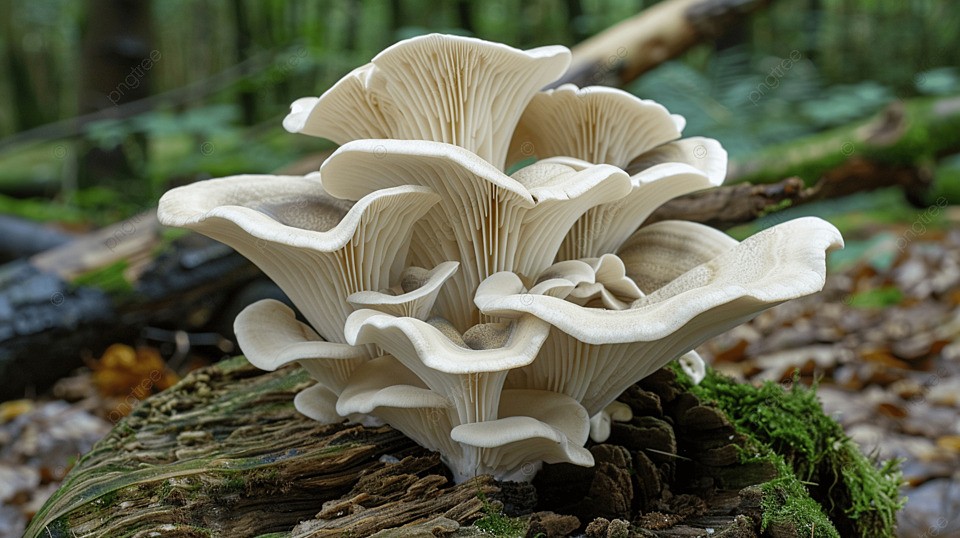
The fashion industry's waste problem just found an unexpected ally—mushrooms. As the European Union prepares to enforce mandatory textile collection starting in 2025, a groundbreaking study from Latvia points to mycelium-based insulation as the most sustainable way to transform fast-fashion waste into something useful. After analyzing 27 different studies, researchers discovered that growing fungal composites from discarded textiles isn't just innovative—it's the smartest environmental choice we have right now.
Why Mycelium-Based Insulation Outperforms Traditional Recycling
Here's where things get interesting. The Latvian research team compared various recycling methods and found that mushroom insulation consistently scores highest on overall sustainability metrics. Think about it—instead of melting down fabrics using energy-intensive chemical processes, mycelium naturally breaks down textile fibers while creating a durable, biodegradable insulation material. Textile composites came in second place, but chemical recycling, surprisingly, ranked lower due to its significant carbon emissions. According to research published in environmental journals (Nature Sustainability covers similar circular economy innovations), fungal-based materials offer a closed-loop solution that addresses both waste reduction and building material needs simultaneously.
The EU's 2025 Deadline Creates Urgent Market Opportunity
With the EU's mandatory textile collection rule just around the corner, businesses and municipalities are scrambling to find viable solutions for the estimated 12.6 million tonnes of textile waste generated annually across Europe. Mycelium insulation answers a critical question: what do we actually do with all those collected clothes? The technology transforms what would otherwise end up in landfills into high-performance building insulation that's fire-resistant, mold-resistant, and completely compostable at end-of-life. Early adopters in construction and sustainable architecture are already exploring partnerships with biotech companies specializing in fungal materials, recognizing that this isn't just about waste management—it's about creating a new, profitable circular economy for textiles.
Conclusion
The path forward for Europe's textile waste problem is literally growing before our eyes. Mushroom-based insulation represents more than just an innovative recycling method—it's a paradigm shift in how we think about waste itself. As chemical recycling struggles with its environmental footprint and traditional methods fail to keep pace with fast-fashion's volume, mycelium offers a nature-based solution that's both scalable and sustainable. For policymakers, businesses, and environmentally conscious consumers, the message is clear: the future of textile waste management doesn't lie in burning or burying—it lies in building with biology. As the 2025 deadline approaches, investing in fungal composite technology isn't just environmentally responsible; it's economically smart.