Jan 2, 2026
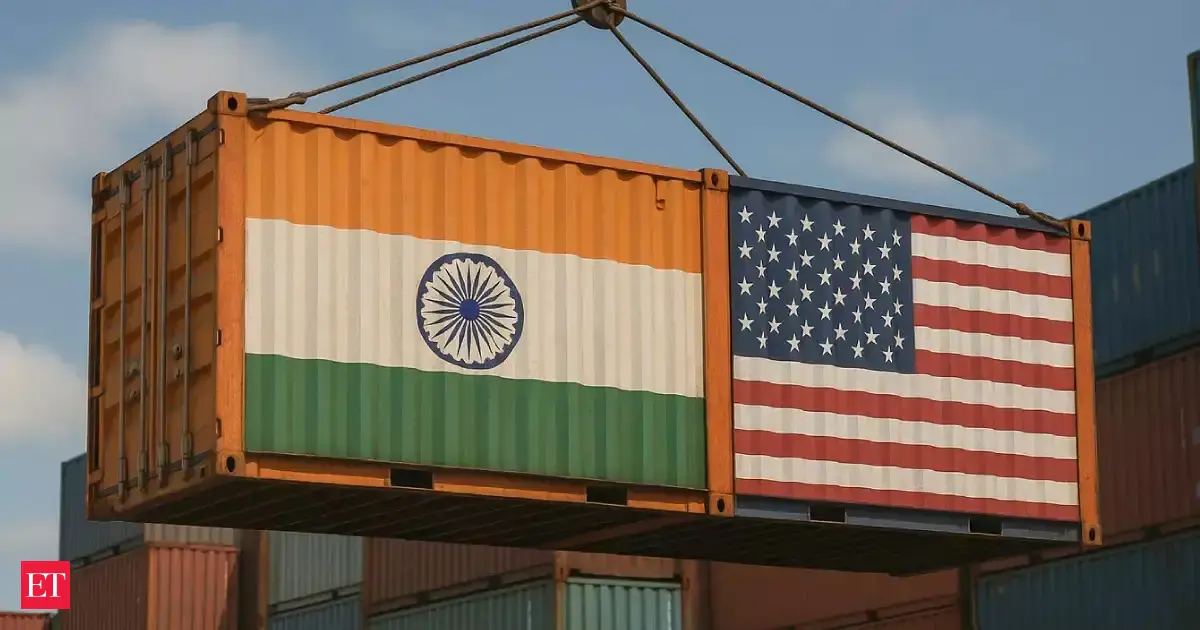
The India-New Zealand Free Trade Agreement, set to be implemented in 2026, is poised to reshape the landscape for Indian chemical manufacturers. With tariff eliminations on approximately 95% of exports and a massive $20 billion investment commitment, this agreement opens unprecedented growth avenues for India's chemical sector. For exporters looking to diversify beyond traditional markets like the US and EU, New Zealand presents a strategic entry point into the Pacific region with significant competitive advantages.
How the FTA Transforms Export Competitiveness
The tariff reductions under this FTA directly address one of the biggest pain points for Indian chemical exporters—price competitiveness. Categories like organic chemicals, specialty chemicals, petrochemicals, and pharmaceutical intermediates are particularly tariff-sensitive, meaning even modest duty reductions can substantially improve profit margins and market penetration. Beyond cost advantages, the agreement facilitates regulatory harmonization and simplified customs procedures, reducing compliance delays that have historically hindered smaller exporters. The $20 billion investment pledge further strengthens India's manufacturing infrastructure and logistics capabilities, creating a multiplier effect that benefits the entire chemical supply chain. For companies specializing in fine chemicals and pharma intermediates, this FTA offers a dual advantage: enhanced market access combined with opportunities for R&D collaboration and technology transfer with New Zealand partners.
Strategic Positioning and Market Diversification
While New Zealand may seem like a smaller market compared to traditional destinations, its strategic importance cannot be overstated. The country serves as a gateway to broader Pacific markets and maintains stringent quality standards aligned with EU regulations, making it an ideal testing ground for Indian manufacturers aiming to elevate their global compliance standards. The FTA encourages Indian chemical companies to move beyond volume-driven commodity exports toward high-value specialty segments where margins are stronger and competition is less intense. This diversification is particularly crucial given the current geopolitical tensions and rising protectionism in major markets. Companies that establish early partnerships with New Zealand distributors and invest in meeting local regulatory requirements will position themselves as preferred suppliers in niche segments like agrochemicals, pharmaceutical APIs, and specialty polymers. The regulatory cooperation framework within the FTA also means that certifications obtained for New Zealand can potentially ease entry into other developed markets with similar standards.
Implementation Roadmap for Chemical Exporters
Success under this FTA requires a phased approach tailored to company capabilities. In the short term (0-2 years), exporters should conduct tariff analysis to identify products with maximum benefit potential and leverage existing export promotion schemes to subsidize initial market entry costs. Building relationships with New Zealand buyers through trade missions and B2B platforms should be prioritized. The medium term (3-5 years) demands investment in compliance infrastructure—upgrading facilities to meet environmental norms, obtaining necessary certifications, and exploring joint ventures for shared R&D expenditure. Long-term strategy (5+ years) should focus on establishing India as a regional manufacturing hub for specialty chemicals serving the entire Pacific region. Companies should also monitor the competitive landscape carefully; while imports from New Zealand are unlikely to significantly threaten domestic manufacturers given India's export surplus, vigilance regarding intellectual property and technology collaborations remains essential.
Conclusion
The India-New Zealand FTA represents more than just another trade agreement—it's a strategic opportunity for the Indian chemical sector to enhance global competitiveness, diversify revenue streams, and establish sustainable partnerships in high-value segments. With duty-free access, reduced compliance barriers, and substantial investment backing, chemical manufacturers who act decisively in the next 12-24 months will capture first-mover advantages in a market that rewards quality and innovation. As global trade dynamics continue evolving, this FTA positions India's chemical industry not just as a cost-competitive supplier, but as a premium partner capable of meeting world-class standards. The time to prepare is now—from tariff mapping and regulatory upgrades to forging strategic alliances that will define your company's Pacific strategy for the next decade.