Dec 10, 2025
Egypt's $100-Million Textile Investment: What It Means for You
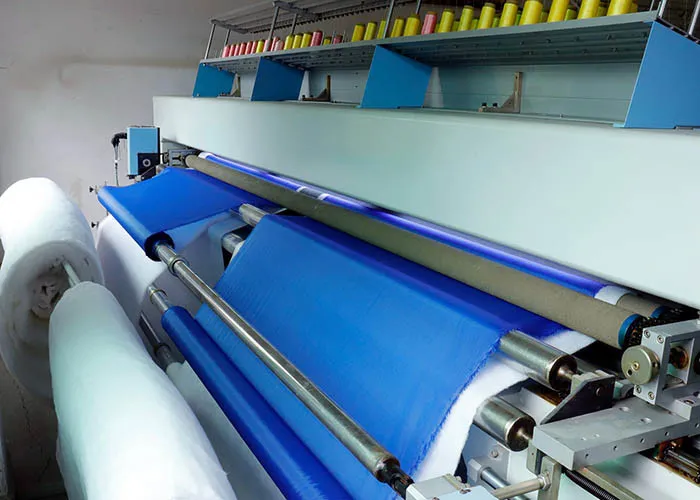
Egypt is negotiating a $100-million textile complex with Chinese manufacturer Fountain Set Limited, and GAFI CEO Hossam Heiba is leading discussions personally. This 200,000-square-meter spinning and weaving facility will create 1,500 direct jobs and serve as a regional export hub for Europe and Africa. The investment comes with Egypt's $4 billion infrastructure modernization already complete, meaning investors get access to factories equipped with European machinery. For anyone considering textile manufacturing, this signals Egypt is ready for business with real infrastructure, not just promises.
Investment Benefits That Actually Matter
Egypt offers multiple investment frameworks—free zones, special economic zones, and flexible ownership models—allowing you to structure deals based on your needs. Operating in Egyptian free zones means 100% tax exemption on profits, zero customs duties on imported equipment and materials, full foreign ownership rights, and unrestricted profit repatriation. The government isn't just offering incentives; they're actively negotiating with manufacturers and expanding existing facilities like Elegance Apparel Garments in Shebin El-Kom. Location advantage is real: shipping to European markets is faster and cheaper than from Asia, while African markets offer growing demand with minimal logistics costs.
Real Opportunities for Businesses and Professionals
For textile manufacturers and suppliers, Egypt wants your investment and will negotiate terms. The Fountain Set project needs machinery suppliers, chemical providers, logistics partners, and service companies—position yourself now before the market saturates. For job seekers, 1,500 direct positions mean opportunities in machine operations, quality control, supply chain management, and technical roles, with 2-3 indirect jobs created for every direct position. El-Mahalla City's existing textile companies offer partnership and integration possibilities, giving you access to established supplier networks and trained workforce. This isn't future potential—GAFI is closing deals and expanding facilities today.
Take Action Before the Window Closes
Contact GAFI directly to explore investment opportunities or visit operational textile free zones to assess infrastructure firsthand. If you're a supplier or service provider, start networking with existing Egyptian textile manufacturers and position yourself as projects scale up. Job seekers should pursue relevant certifications and follow GAFI recruitment announcements as hiring begins. Compare Egypt's actual costs—taxes, labor, logistics, and tariffs—against your current or alternative locations using real numbers, not assumptions. The investors and professionals who act now, while deals are being negotiated, will capture the best opportunities before markets become competitive.
Conclusion
Egypt's $100-million textile deal with Fountain Set Limited represents concrete opportunity backed by $4 billion in modernized infrastructure, proven tax incentives, and government commitment at the highest level. Whether you're an investor evaluating manufacturing locations, a business seeking partnerships, or a professional looking for career advancement, Egypt's textile sector offers tangible benefits: zero taxes in free zones, direct access to European and African markets, 1,500 new jobs with thousands more indirect positions, and flexible investment structures. The question isn't whether Egypt is serious about textile investment—the modernized factories and active negotiations prove that. The question is whether you'll position yourself to benefit before everyone else catches on. Start your due diligence, make direct contacts, and act while opportunities are still emerging.