Jan 2, 2026
Climate Change Could Cost RMG Industries $65.8 Billion by 2030: What This Means for Global Fashion
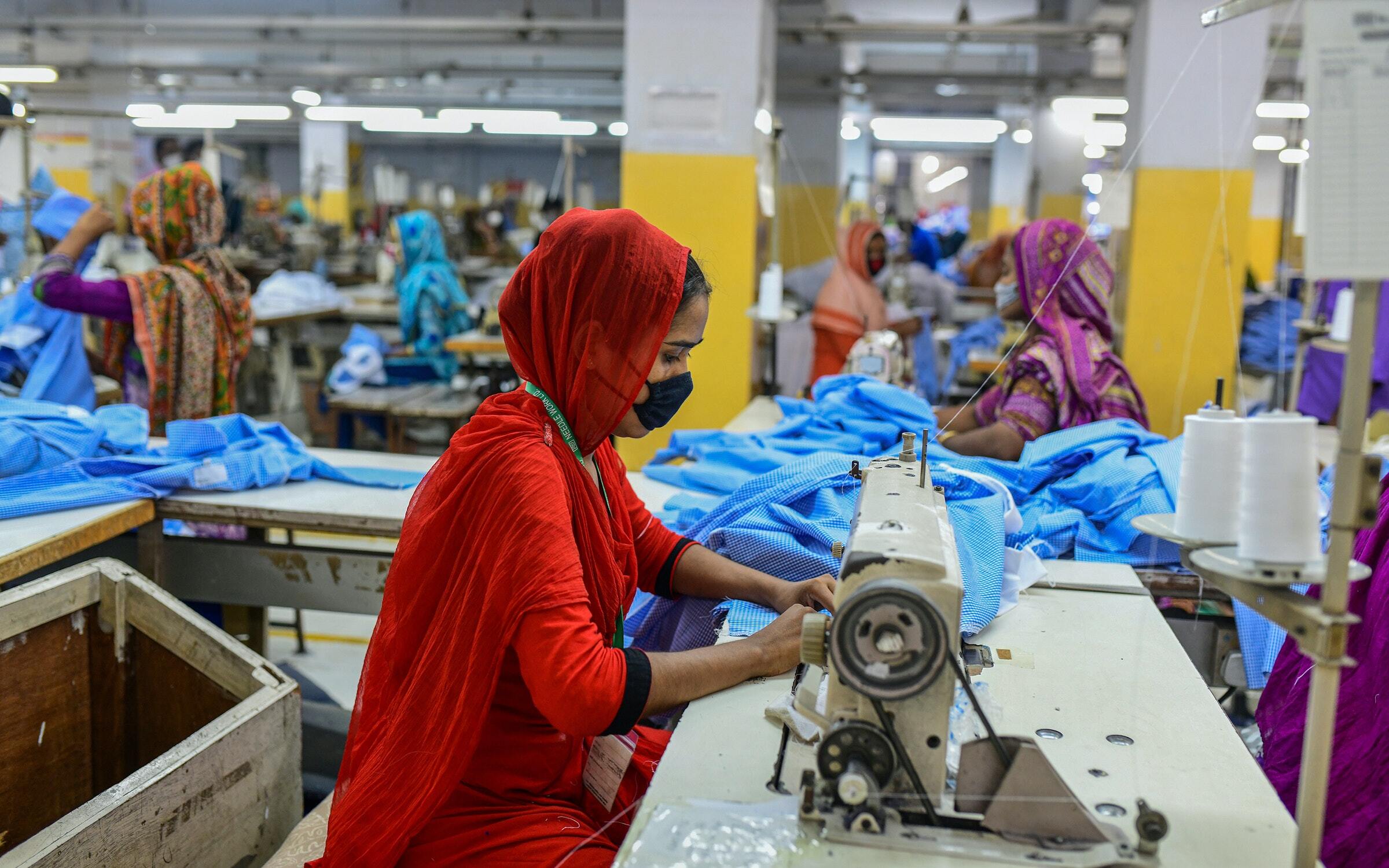
The ready-made garment (RMG) industry faces an unprecedented crisis. A groundbreaking study by Cornell University's Global Labour Institute and the International Finance Corporation has revealed a stark warning: Vietnam, Cambodia, Pakistan, and Bangladesh could collectively lose up to $65.8 billion in potential export earnings by 2030 if climate adaptation measures aren't implemented immediately. With extreme heat waves and intensified flooding already disrupting production lines and threatening worker safety, the clock is ticking for one of the world's most vital manufacturing sectors.
The Shocking Numbers Behind Climate Inaction
The research paints a grim picture of what inaction looks like. Without proper climate adaptation strategies, these four apparel-exporting nations face a 22% reduction in export earnings by 2030 compared to a climate-adaptive scenario. But the real devastation emerges in long-term projections—by 2050, export earnings could plummet by 68.8% under a no-adaptation scenario. This isn't just about money; it's about livelihoods. The study predicts employment levels could be 8.64 million lower in 2050 without adaptation measures, meaning millions of workers and their families face uncertain futures. Heat stress and flooding aren't distant threats—they're already delaying orders, reducing productivity, and forcing factory shutdowns across South and Southeast Asia. According to the International Labour Organization's Better Work program, extreme weather events are increasingly compromising worker health and income stability in manufacturing hubs.
Hope on the Horizon: Adaptation Strategies Taking Shape
Despite these alarming projections, the apparel sector isn't standing still. Governments across the affected regions are introducing enforceable standards addressing workplace heat management, improved ventilation systems, mandatory rest breaks, and guaranteed water access for factory workers. Global fashion brands are voluntarily adopting comprehensive standards to manage extreme heat and flooding risks throughout their supply chains. Manufacturers are investing in worker training programs that teach employees to recognize heat stress symptoms and respond to climate-related health emergencies. The World Resources Institute provides valuable resources on climate adaptation strategies that industries can implement. These proactive measures demonstrate that with proper investment and commitment, the RMG sector can build resilience against climate challenges while protecting both profitability and worker welfare.
Conclusion
The apparel industries of Vietnam, Cambodia, Pakistan, and Bangladesh stand at a critical crossroads. The $65.8 billion question isn't whether climate change will impact the RMG sector—it's whether stakeholders will act decisively to mitigate these losses. The difference between adaptation and inaction represents not just billions in export earnings but millions of jobs and livelihoods. As extreme weather events intensify, the cost of inaction grows exponentially, with 2050 projections showing nearly 70% lower earnings without climate adaptation. However, the emerging collaboration between governments, brands, and manufacturers offers genuine hope. By implementing heat management protocols, improving infrastructure resilience, and prioritizing worker safety, the industry can navigate these climate challenges successfully. The message is clear: strategic climate adaptation isn't optional—it's essential for the survival and growth of the global apparel industry. The time to act is now, before opportunity costs become irreversible losses.