Dec 23, 2025
How Chinese Fabric Imports Are Tightening Margins for India's Textile Manufacturers
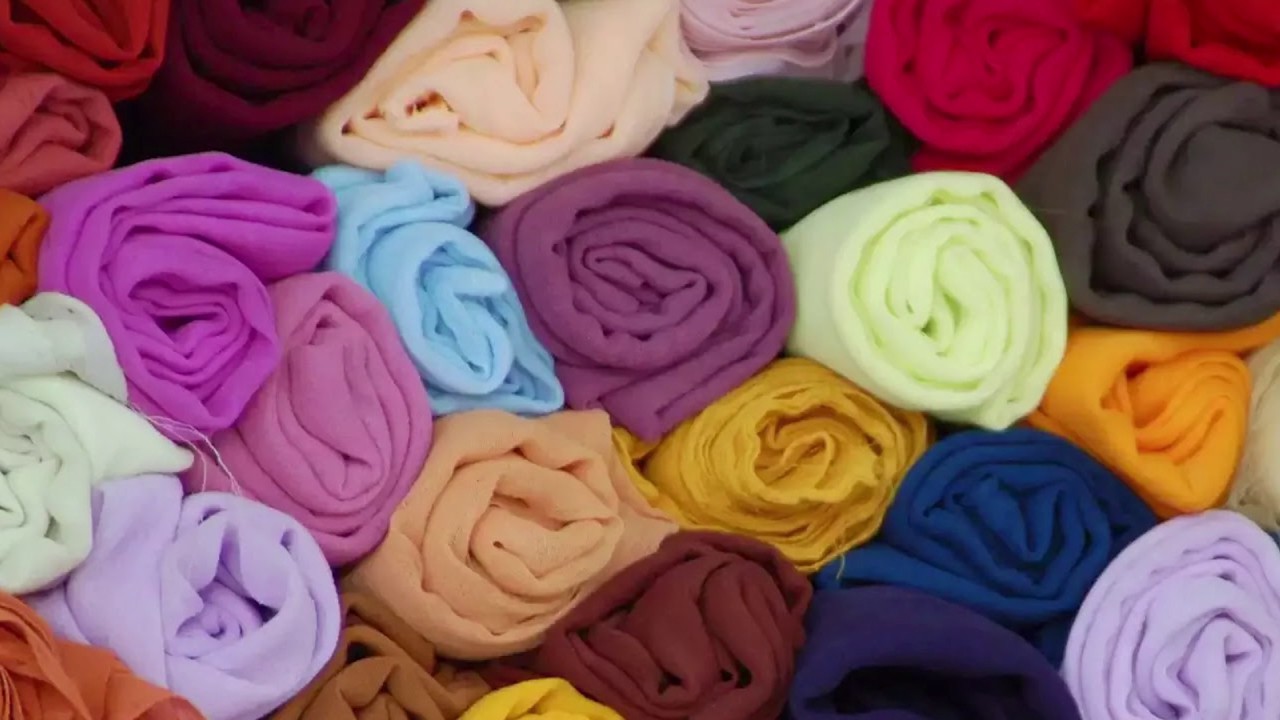
The Indian textile industry is facing unprecedented pressure as Chinese fabric imports continue to dominate the market with aggressively low pricing. Between January and September 2024, China maintained its position as India's largest fabric supplier, leveraging price advantages that have left domestic manufacturers struggling to compete. While global fabric costs have risen, Chinese suppliers have consistently offered prices below market averages, creating a challenging environment for India's spinning and weaving value chain.
The Pricing Advantage That's Reshaping India's Textile Landscape
China's strategic pricing has fundamentally altered competitive dynamics in India's fabric market. Despite increasing global production costs, Chinese woven fabric prices have softened sharply, maintaining rates significantly below average market prices. This price differential isn't marginal—it's substantial enough to influence purchasing decisions across the Indian textile ecosystem. According to Textile Excellence, weight-based fabric pricing has increased globally, yet Chinese suppliers have absorbed these costs or operated on thinner margins to maintain market share. This approach has effectively undercut Indian producers who face higher operational costs, stricter environmental compliance requirements, and limited economies of scale compared to China's massive manufacturing infrastructure.
The Ripple Effect on India's Spinning and Weaving Industries
The impact of low-cost Chinese imports extends beyond immediate margin compression—it's dampening investment sentiment across India's entire textile value chain. Domestic spinning mills and weaving units are finding it increasingly difficult to justify capital expenditure when imported alternatives offer better pricing. This creates a vicious cycle: reduced profitability leads to lower reinvestment, which prevents modernization and efficiency improvements that could help Indian manufacturers compete. The situation is particularly concerning for small and medium-sized enterprises (SMEs) that form the backbone of India's textile sector, as they lack the financial cushion to sustain prolonged margin pressure while competing against state-supported Chinese competitors.
Why This Matters for India's Textile Future
The continued influx of low-priced Chinese fabrics poses strategic risks for India's textile self-reliance and employment generation. India's textile and apparel sector employs over 45 million people and contributes significantly to export earnings. When domestic manufacturers lose market share to imports, it doesn't just affect corporate balance sheets—it impacts livelihoods, skill development, and the country's manufacturing ecosystem. Industry stakeholders are calling for a balanced approach that protects domestic manufacturers through anti-dumping measures, quality certifications, and support for modernization initiatives. Without intervention, India risks becoming overly dependent on Chinese supplies, potentially compromising its textile security and losing decades of built manufacturing capability.
Conclusion
Chinese fabric imports are creating a perfect storm for Indian textile manufacturers through sustained pricing pressure that's eroding margins and stalling critical investments. As China maintains its position as India's largest fabric supplier with below-market pricing, domestic producers face an existential challenge that requires coordinated policy response and industry adaptation. The path forward demands strategic measures to level the playing field—whether through trade policies, technology upgrades, or collaborative industry initiatives—to ensure India's textile sector can compete sustainably while protecting employment and manufacturing capabilities that are vital to the nation's economic fabric.