Jan 12, 2026
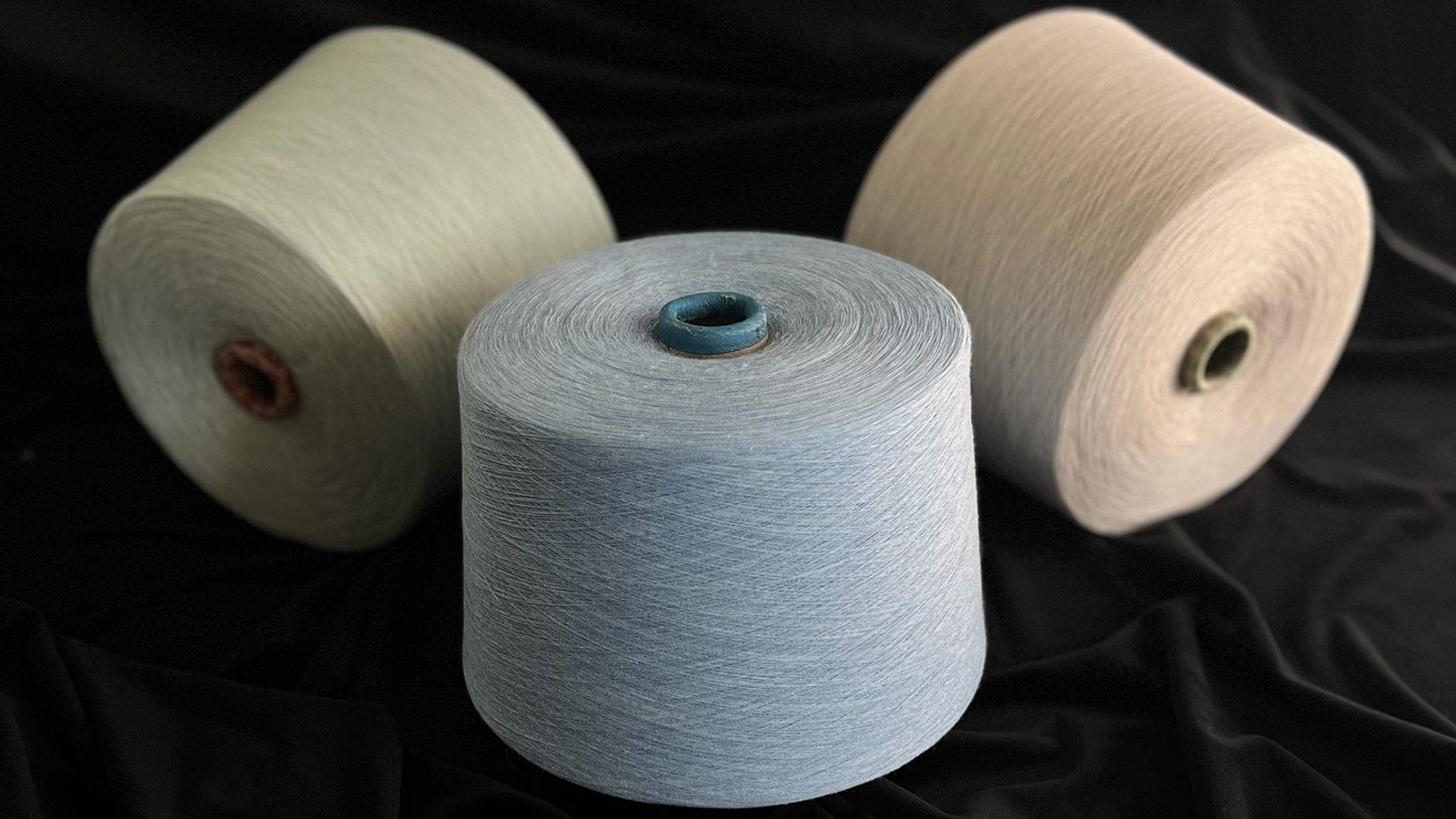
No Consensus in Bangladesh on Proposed Safeguard Duty on Yarn Imports
The Bangladesh textile and garment industry is at a crossroads as key stakeholders fail to agree on a controversial proposal to impose a 20% safeguard duty on yarn imports. The recent meeting at the Bangladesh Trade and Tariff Commission (BTTC) office in Dhaka highlighted the deep divisions between garment exporters and local textile millers, leaving the Commerce Ministry to make the final call on this critical decision that could reshape the country's $40+ billion apparel export industry.
The Core of the Disagreement: Balancing Protection and Competitiveness
At the heart of this dispute are three proposed alternatives that emerged during stakeholder discussions. The Bangladesh Textile Mills Association (BTMA) has been pushing for a 20% safeguard duty on imported yarn to protect domestic spinners from what they claim is unfair competition and misuse of bonded warehouse facilities. However, representatives from the Bangladesh Garment Manufacturers and Exporters Association (BGMEA) and Bangladesh Knitwear Manufacturers and Exporters Association (BKMEA) have strongly opposed this measure, arguing that higher yarn costs would directly impact their production expenses and erode Bangladesh's competitive edge in the global marketplace. The second option—providing a 5% incentive to garment exporters for using locally spun yarn—gained the most traction among participants, with even some BTMA members showing support. The third alternative, withdrawing bonded warehouse facilities for 20- to 30-count yarn imports, was rejected outright by exporters who warned it would disrupt operations and lead to significant business losses. According to industry sources familiar with the discussions, a compromise solution involving a 10% safeguard duty is now being considered as middle ground between the competing interests. For more insights on Bangladesh's textile trade policies, visit the World Trade Organization's trade policy review.
Why This Matters for Bangladesh's Textile Ecosystem
This standoff reveals the complex challenges facing Bangladesh's integrated textile supply chain. Local textile millers argue that rampant misuse of bonded warehouse facilities—where importers allegedly sell duty-free yarn illegally in the domestic market—is undermining their business viability and hampering the growth of upstream industries. They contend that Bangladesh has sufficient capacity to produce 20- to 30-count yarn domestically, making import protection justified. On the other hand, garment exporters emphasize that Bangladesh's apparel industry thrives on cost competitiveness in international markets where margins are already razor-thin. Any increase in input costs, they argue, could drive buyers to competitors like Vietnam, India, or Cambodia. The ready-made garment (RMG) sector accounts for over 80% of Bangladesh's export earnings and employs millions of workers, making this debate about more than just duty rates—it's about the country's economic future and employment stability.
Conclusion
The inability to reach consensus at the BTTC meeting underscores the delicate balancing act the Commerce Ministry must perform. While protecting domestic industries from unfair practices is legitimate, Bangladesh cannot afford policies that compromise its garment sector's global competitiveness. The proposed 5% incentive for using local yarn appears to be the most pragmatic solution, potentially encouraging backward linkage without imposing mandatory cost increases on exporters. Alternatively, the suggested 10% compromise duty could partially address millers' concerns while minimizing impact on export competitiveness. Whatever decision emerges, it must consider both short-term industry dynamics and long-term strategic goals for Bangladesh's textile value chain. As the Commerce Ministry deliberates, stakeholders across the industry will be watching closely, knowing that this decision could set important precedents for how Bangladesh navigates trade policy conflicts in its crucial textile and apparel ecosystem.